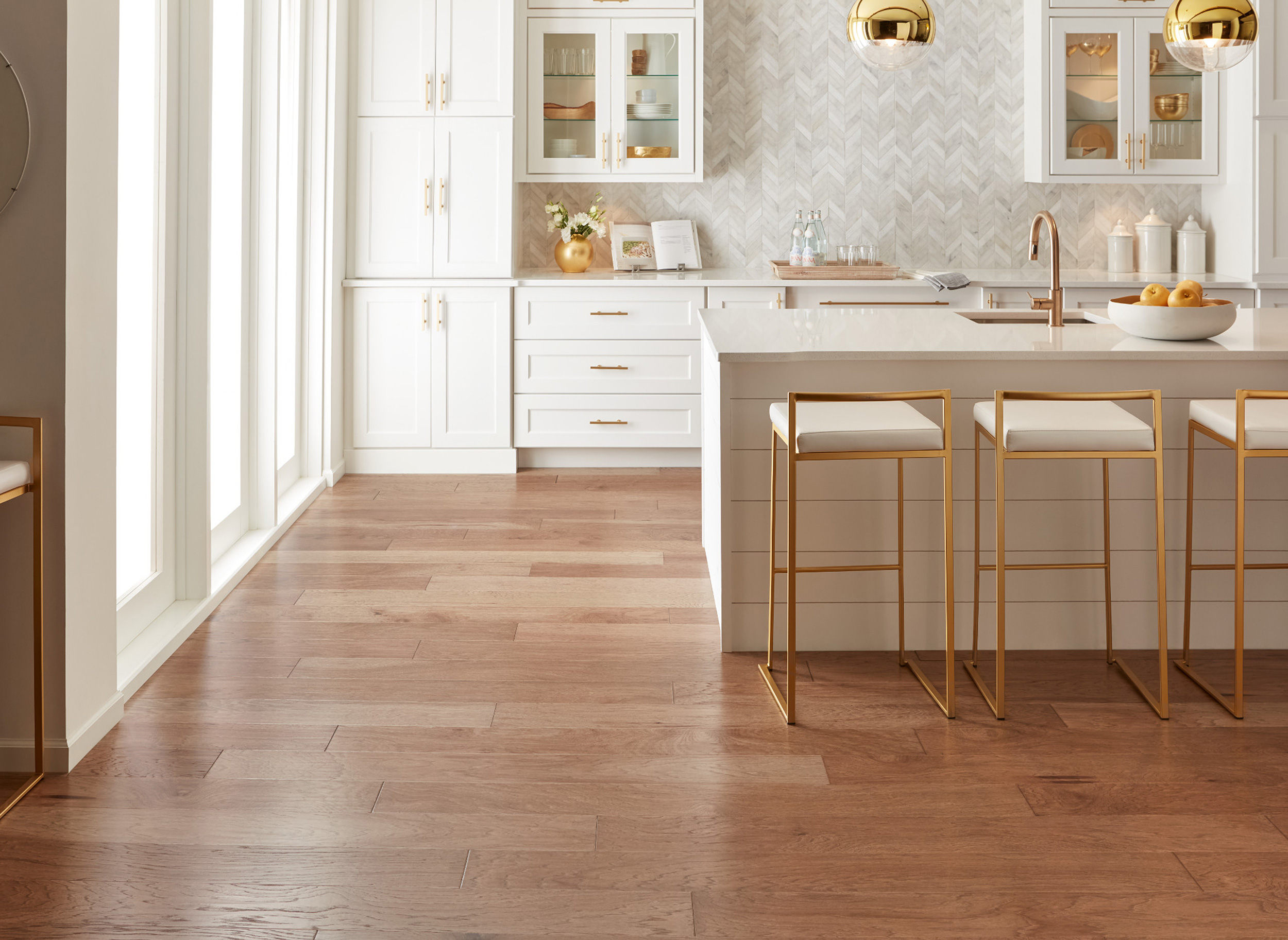
You finally find a hardwood you love, the color is perfect, the price feels right… then someone hands you a multi-page warranty full of tiny print and legal terms. Most people nod, sign, and hope for the best. Years later, when a problem shows up, they discover what was and wasn’t covered the hard way.
This guide walks through how hardwood warranties really work, what to watch for in the fine print, and how to protect yourself in a four-season climate like ours.
What Hardwood Warranties Actually Cover
Most wood warranties fall into two main buckets: structural and finish.
A structural guarantee focuses on how the planks are built. It usually promises that boards won’t split, delaminate, or come apart under normal residential use. Finish coverage deals with the factory coating on top of the wood. That section often says the finish won’t wear through to bare wood for a certain number of years.
It helps to think of it this way: structure = the board itself, finish = the protective shield on top. When you browse our hardwood collection, you’ll see different terms for each of those layers depending on the brand and construction.
Many products also mention “lifetime” or “25-year” language. That almost never means the floor will look brand new for that entire time; it usually means the manufacturer will stand behind it against specific defects as long as you own the home, or for a set number of years, under very clear conditions.
The Fine Print: Common Exclusions and “Gotchas”
The most important information in a warranty is often what it does not cover. A few patterns show up across nearly every manufacturer:
- Moisture and humidity: Solid and engineered wood both react to moisture. Buckling from a plumbing leak, cupping from a damp basement, or gapping from extra-dry winter air is almost always excluded. In a region with cold winters and humid summers, that makes indoor climate control and proper installation critical.
- Scratches, dents, and wear from daily life: Pet claws, moving furniture, high heels, kids’ toys, and grit under shoes fall under “normal wear and tear.” Those marks are usually considered cosmetic, even if they bother you.
- Improper installation or subfloor issues: If a floor is installed over a wet slab, without the right underlayment, or without acclimation, most manufacturers will deny claims. That’s one reason working with experienced installers and a company that stands behind its flooring services matters more than chasing the lowest bid.
- Wrong cleaning products: Many warranties are voided by steam mops, waxes, oil soaps, or abrasive pads. The document typically lists approved care methods; ignoring that list can cost you coverage.
Understanding these exclusions ahead of time helps you decide which product fits your household rather than assuming every problem will be covered later.
Matching the Warranty to How You Live
A long warranty is only helpful if it lines up with how you actually use your space. A quiet guest room and a busy kitchen with dogs need very different protection.
If you have a full house, pay close attention to the finish section. Terms like “wear-through” often mean the finish must be completely gone in a certain percentage of the floor before a claim is valid. Light surface scratches that catch the sun may not qualify, even though they’re the first thing you see. In high-traffic areas, you might prefer a product with a tougher topcoat or a more forgiving texture instead of just a longer year count.
Climate also plays a role. Homes in Michiana experience dry heated air in winter, then sticky humidity in summer. The warranty will still expect you to keep temperature and relative humidity within a recommended range, sometimes spelled out in specific numbers. That’s where design guidance helps: during a conversation with one of our design consultants, we can walk through which constructions and plank widths handle seasonal movement more gracefully in your type of home.
If you love the look of wood but worry about kids, pets, or moisture, it can be worth comparing those terms to the coverage offered on today’s wood-look alternatives. When you explore our laminate catalog, you’ll see options designed for busy households that still give you that warm, natural style.
How to Protect Your Warranty After Installation
Once your floor is in, your daily habits play a big role in keeping the warranty valid and your hardwood looking good.
First, hold onto receipts, product labels, and the written warranty itself. If a board ever fails, you’ll need proof of purchase and installation details. Next, follow the maintenance instructions that come with the product. That usually means sweeping regularly, using a hardwood-approved cleaner, and avoiding standing water.
Simple steps like felt pads under furniture, mats at exterior doors, and area rugs in heavy-use zones go a long way toward preventing damage that manufacturers consider normal wear. If something unusual happens — a dishwasher leak, shifting subfloor, or sudden cupping — calling a professional early often makes the difference between a small repair and a larger replacement. Our completed project gallery shows how well-chosen materials paired with proper installation hold up over time in real homes.
Ready to Choose Hardwood with Confidence?
A good hardwood warranty is more than a marketing line; it’s a promise with clear boundaries. When you understand those boundaries, you can pick a floor that fits your family, your climate, and your long-term plans — and know exactly how to care for it.
If you’re comparing options for a home in or around Mishawaka and want help sorting through warranty terms, finishes, and construction types, we’re here to walk you through it step by step. When you’re ready to talk specifics, request a free estimate and one of our project managers will help you choose and install hardwood you’ll feel good about for years.